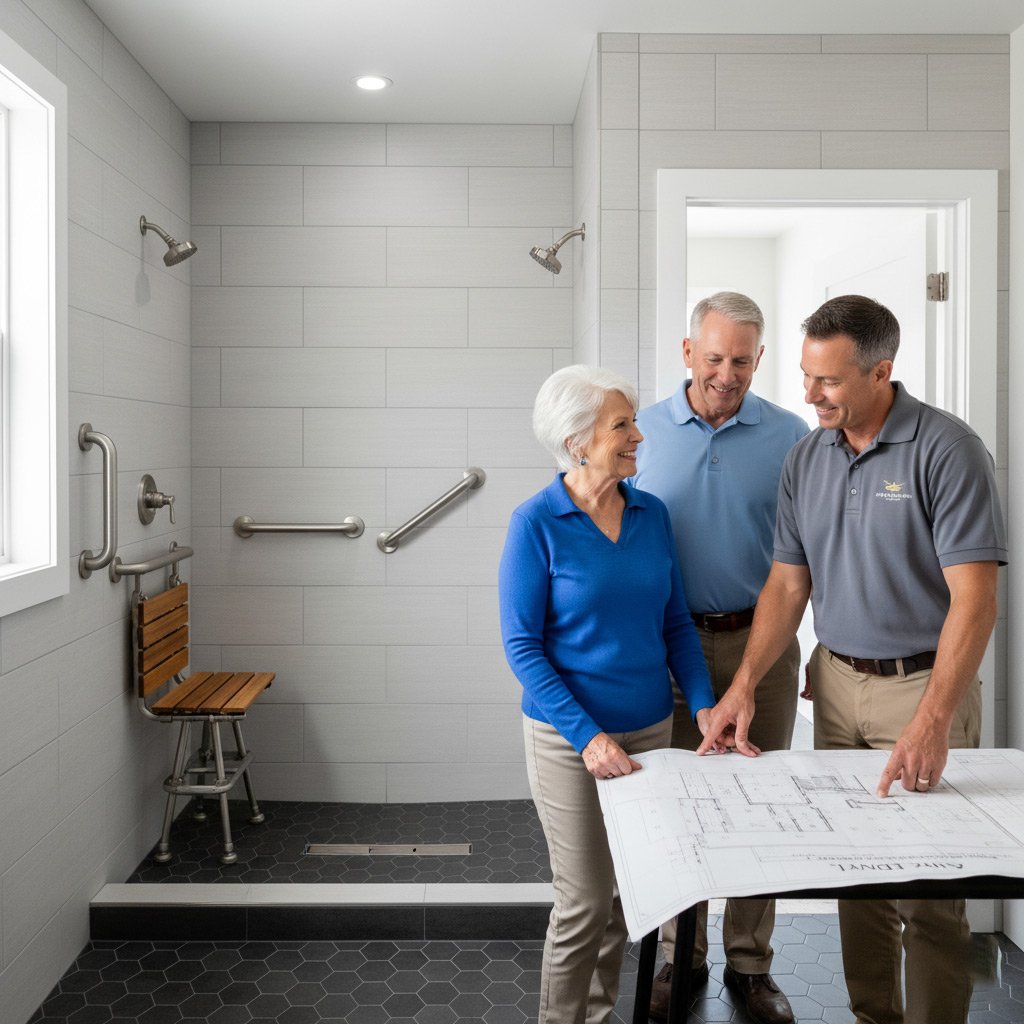
Picture this: you sink into a warm, bubbling oasis that cradles you like a gentle hug, right in the heart of your Buckeye home. A walk‑in tub can turn a routine shower into a daily retreat, but the wrong pick can leave you stuck with a pricey mistake.
Most buyers get tangled up in flashy features or price tags without checking the basics—size, safety rails, and how the tub fits your bathroom’s layout. Skip the guesswork and learn the exact questions you need to ask before you sign the contract.
Stick around, and you’ll walk away with a clear roadmap that guarantees comfort, safety, and a smart investment—no regrets, just pure relaxation. Let’s dive into the details you can’t afford to ignore.

Assessing Bathroom Space and Layout Compatibility
Before you fall in love with a glossy catalog tub, grab a tape measure and walk the room. Know the exact length, width, and height of the space you have, not the space you wish you had. A walk‑in tub that sticks out into the hallway or blocks the closet door will cost you more than a few dollars.
Think about traffic flow. Does the door swing inward or outward? Will the tub’s door need extra clearance for a wheelchair or a sturdy step‑stool? Every inch counts when you’re trying to keep the bathroom functional and safe.
Key measurements to take
- Floor footprint: Measure from wall to wall, and note any uneven corners.
- Ceiling height: Ensure the tub’s high‑back or built‑in seat won’t hit the light fixture.
- Plumbing access: Locate the drain and water lines; moving them later can add thousands.
- Load capacity: Verify the floor can support the tub’s weight plus water and a person.
Choosing the Ideal Size, Shape, and Capacity for Your Lifestyle
Measure twice, buy once
Before you fall in love with a sleek oval tub, grab a tape measure and map out the floor plan. Length, width, and door clearance are non‑negotiable; a tub that sticks out into the hallway will cost you time and money later. Don’t trust the showroom dimensions—they’re often “ideal” rather than “real.”
Match the tub to the user
Think about who will be stepping in. A single‑person tub can be as narrow as 30 inches, but a couple’s model usually starts at 36 inches wide and 60 inches long. Weight capacity matters too; a tub rated for 400 lb won’t hold up if you plan on adding a hydro‑massage system.
Shape matters more than you think
- Rectangular – classic, fits most layouts, easy to accessorize.
- Oval – softer lines, great for smaller rooms, but may need extra clearance.
- Corner – maximizes space in tight corners, perfect for a “spa‑like” feel.
Pick a shape that lets you walk around the tub without feeling cramped. If you love a deep soak, go deeper rather than wider; a 20‑inch depth can give you the same immersion as a larger footprint.
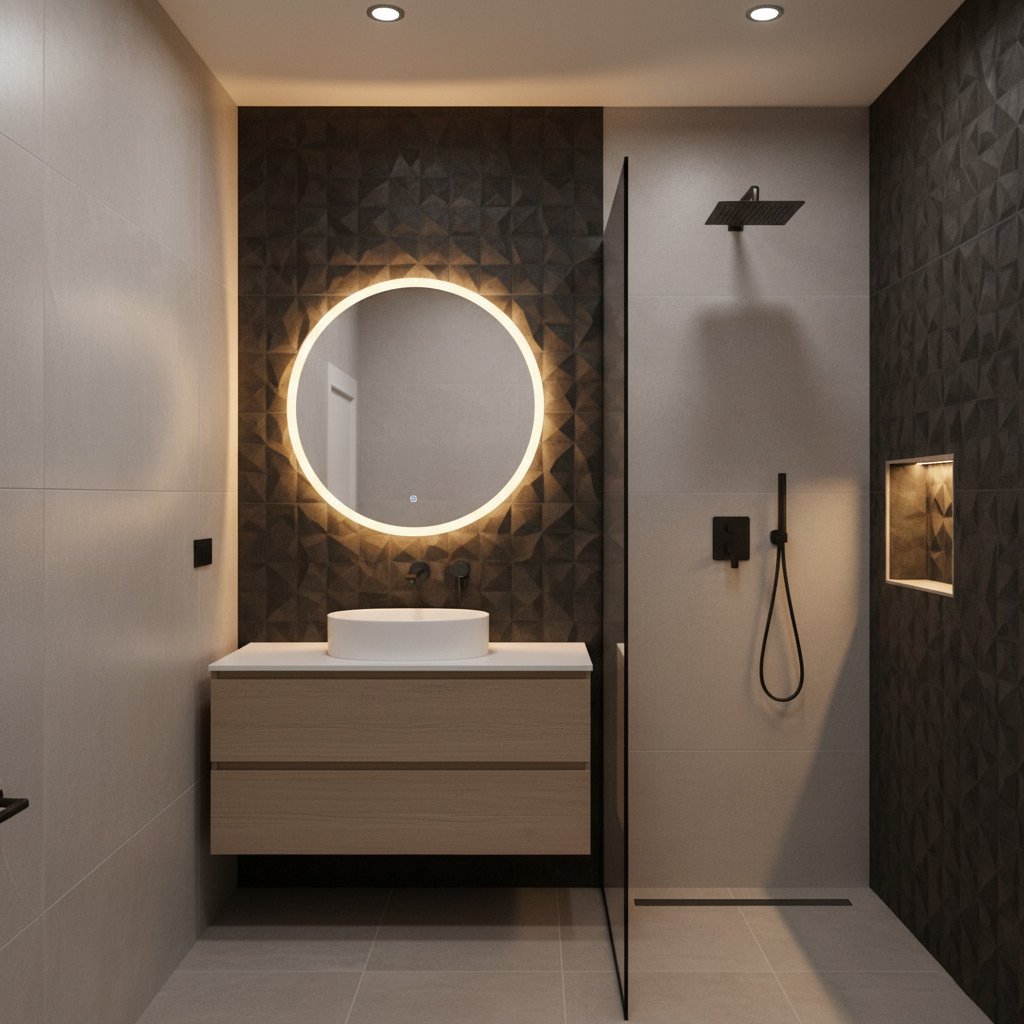
Prioritizing Safety: Rails, Grab Bars, and Anti‑Slip Technologies
When you step into a walk‑in tub, the first thing you want is confidence that you won’t slip or lose balance. Safety isn’t an afterthought—it’s the foundation of every smart tub purchase. In Buckeye’s desert heat, a sturdy rail can be the difference between a relaxing soak and a painful tumble.
Rail Systems That Actually Hold
Not all rails are created equal. Look for models that lock into place and support at least 250 lb per side. A good rail should feel like a solid handhold, not a flimsy armrest.
- Fixed rails – welded to the tub, permanent, best for stability.
- Adjustable rails – slide along a track, great for users of different heights.
- Fold‑away rails – disappear when not needed, keeping the tub sleek.
Grab Bars: Placement Matters
Grab bars should be positioned where you naturally reach—by the door, beside the seat, and at the back wall. Three‑point contact (two hands, one foot) is the gold standard for preventing falls.
- Wall‑mounted bars – anchor into studs for maximum strength.
- Tub‑integrated bars – molded into the tub’s side, no extra drilling.
- Portable bars – removable, handy for renters or temporary setups.
Anti‑Slip Flooring & Surface Tech
The floor of your tub needs a texture that grips without scraping skin. Look for a micro‑textured acrylic or a non‑porous, slip‑resistant coating that stays effective even after years of use.
- Diamond‑patterned surfaces – proven grip under wet conditions.
- Silicone‑infused liners – feel soft underfoot, yet stay firm.
- Integrated heating mats – keep the surface warm, reducing condensation slickness.
Material, Fill, and Hydrotherapy Options: What Really Matters
Material Choices
Most walk‑in tubs are built from acrylic or fiberglass, but a handful of premium models use cultured marble or solid stone for a spa‑like feel. Acrylic wins on weight and ease of installation, while stone offers a heavier, more luxurious look that can anchor a bathroom’s design.
Don’t let the finish fool you—check the surface’s resistance to scratches and UV fading. A high‑gloss coating may look slick, but a matte, textured surface often hides everyday wear better.
Fill Systems
Traditional tubs rely on a simple water‑only fill, but many modern units add an air‑mix option that creates a softer, buoyant soak. The air‑mix system uses a small compressor; it’s quiet, low‑maintenance, and can cut heating costs by up to 15%.
If you’re on a tight budget, stick with a straight‑water fill and upgrade later. The plumbing is the same, and you won’t need extra electrical work.
Hydrotherapy Features
Jets are the headline act, but not all jets are created equal. Look for adjustable, low‑pressure jets that target the lower back and hips without blasting water everywhere.
- Bubble massage – gentle air bubbles that soothe sore muscles.
- Therapeutic whirl – rotating jets that create a swirling motion for deep tissue relief.
- Heated backrests – keep your spine warm while you unwind.
Remember, more jets mean higher energy use. Choose a system that lets you dial the intensity up or down, so you can enjoy a calming soak without a shocking electric bill.
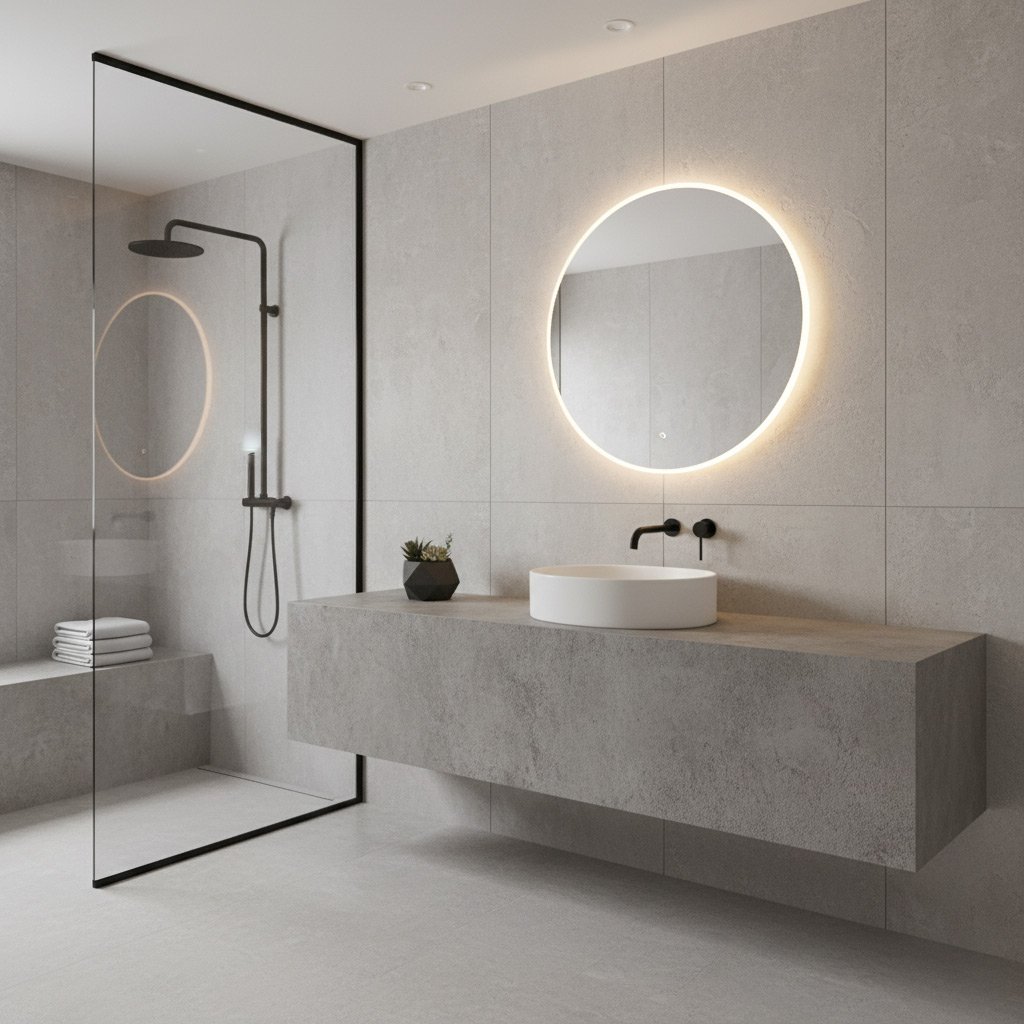
Budget Planning: Cost Breakdown, Financing, and Long‑Term Value
What You’ll Actually Pay
First, split the price into three buckets: the tub itself, installation labor, and the extras that make it a sanctuary. A basic acrylic walk‑in tub starts around $2,500, while a premium hydro‑massage model can climb past $8,000. Labor in Buckeye averages $1,200‑$2,500, depending on plumbing complexity.
Don’t forget the “hidden” line items:
- Floor reinforcement – $500‑$1,000
- Custom tile or surround – $1,000‑$3,000
- Electrical work for jets or lighting – $300‑$800
Financing Options That Won’t Break the Bank
Most local remodelers partner with credit unions that offer 0% APR for 12‑months on projects under $10,000. If you need a longer stretch, a 5‑year home‑equity line can keep monthly payments under $250.
Ask your contractor about a deferred payment plan. Some companies let you start the job now and pay after the first season of use—perfect for budgeting around the hot Arizona summer.
Value Over Time
A well‑chosen walk‑in tub can boost your home’s resale value by 3‑5%. Buyers in Buckeye love aging‑in‑place features, so you’re not just buying comfort—you’re investing in market appeal.
Maintain the tub with regular sealant checks and keep receipts for upgrades. When the time comes to sell, a clean maintenance log can turn a $5,000 expense into a $7,500 selling point.
Case Study: A Buckeye Home Renovation Success with a Custom Walk‑In Tub
The Situation
When the Martinez family moved into their 1998 ranch in Buckeye, the bathroom felt cramped and unsafe for their aging parents. They needed a tub that *fit* the existing footprint but also offered a spa‑like experience.
Key constraints were:
- Maximum width of 60 inches – the wall on the left could not be moved.
- Easy entry for a 78‑year‑old with limited mobility.
- Budget under $12,000, including installation.
The Solution
Our team designed a **custom acrylic walk‑in tub** that slipped into the tight space without a full remodel. We added a low‑profile door, built‑in grab rails, and a hydro‑massage system that the family could control from a handheld panel.
Features that sealed the deal:
- Slip‑resistant floor with a textured surface that feels like a yoga mat.
- Adjustable water jets targeting the lower back and calves.
- Integrated LED lighting for a calming glow after sunset.
The Outcome
Six months after installation, the Martinez home saw a noticeable boost in daily comfort and safety. The parents now enjoy a 20‑minute soak each evening, and the family reports zero slips or strains.
Financially, the custom tub added roughly 5 % to the home’s resale value, according to the latest Buckeye market data. In short, they got a spa experience, peace of mind, and a smart investment—all without breaking the bank
Final Words
Ready to turn that vision into a reality? The moment you lock in a reputable Buckeye installer, you lock in peace of mind. Don’t settle for “good enough”—demand a walkthrough of the design, a clear timeline, and a written warranty before you sign.
Quick‑Start Checklist
- Confirm the tub’s dimensions against your floor plan.
- Verify rail placement and anti‑slip flooring.
- Ask for a demo of the hydro‑therapy controls.
- Get a written estimate that breaks down labor, materials, and permits.
Maintenance isn’t a chore when you know the basics. Clean the acrylic surface with a non‑abrasive cleanser once a week, and flush the jets with a vinegar‑water solution monthly. Keep the drain clear—if you notice a slowdown, call a pro before it becomes a flood.
Long‑Term Value
Think of your walk‑in tub as an investment in home resale value. A well‑chosen, safely installed tub can add thousands to a Buckeye property. Keep all paperwork, warranty cards, and service records in a folder; future buyers love that transparency.
When you’re set, explore more options in our Walk In Tubs collection. The right choice today means years of comfort tomorrow—no regrets, just pure relaxation.
People Also Ask
What bathroom dimensions are needed for a walk‑in tub in Buckeye?
A minimum of 5 ft by 7 ft of floor space is recommended to accommodate most walk‑in tubs and allow clearance for doors and accessories. Measure your existing layout and consider any future fixtures before finalizing the size.How do I determine the right tub capacity for my family?
Choose a tub that seats at least one adult comfortably, typically 60–70 inches long, and consider larger models if you have a partner or need extra space for mobility aids. Capacity is measured in gallons; a 250‑300 gal tub is common for single users, while 350‑400 gal models suit couples.Which safety features are essential for a walk‑in tub in a desert climate?
Look for built‑in grab bars, low‑step entry doors, and anti‑slip flooring that resist heat‑induced expansion. Hydrotherapy jets with temperature controls also help maintain a comfortable, safe soak in Buckeye’s hot weather.What material should I pick for durability and heat resistance?
Acrylic and reinforced fiberglass are popular for their lightweight strength and resistance to cracking under temperature fluctuations. If you prefer a premium feel, consider a solid‑surface composite that offers superior insulation and a sleek finish.Can I finance a walk‑in tub installation in Buckeye, AZ?
Many local remodel contractors partner with lenders to offer low‑interest loans or zero‑percent financing for qualified buyers. Ask your installer about payment plans that spread costs over 12‑36 months while preserving long‑term home value.
Buckeye Bathroom Remodel brings over a decade of specialized bathroom renovation experience to homeowners throughout Buckeye, Arizona. Their team combines skilled craftsmanship with a deep understanding of local design trends to deliver functional, stylish spaces. Committed to personalized service, they work closely with each client to ensure every project reflects the unique character of the community.
Need Bathroom Remodel?
We revitalize bathrooms in Buckeye, AZ and nearby ZIPs (85326, 85396, 85355, 85374, 85381), delivering modern, functional spaces on a fast timeline. Our streamlined process gets you enjoying your new bathroom in weeks, not months.
Get Bathroom Quote