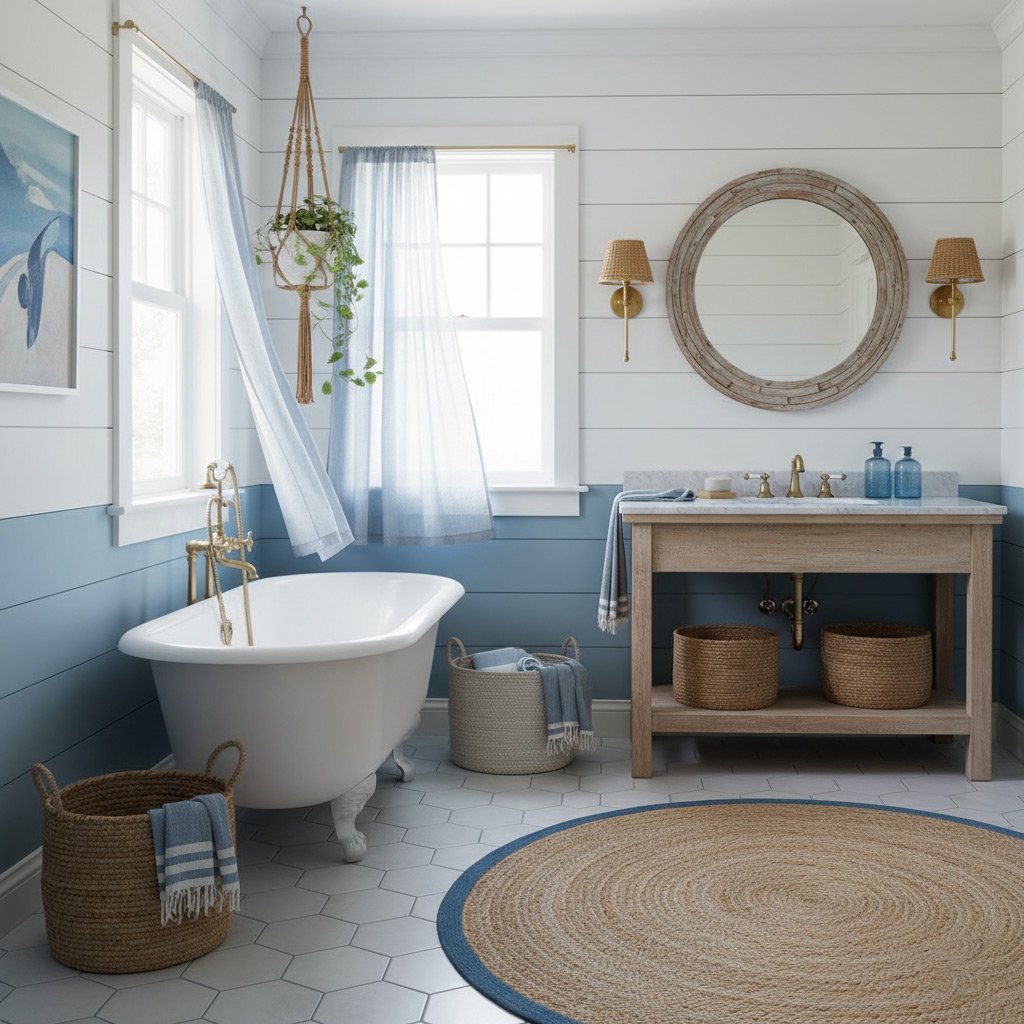
Picture this: you pull the shower curtain aside and step straight into a glass‑enclosed oasis that feels like it was ripped from a luxury hotel, not your modest Buckeye home.
Most homeowners think swapping a tub for a shower is just a matter of demolition and a new fixture, but the pros keep a handful of game‑changing tricks under lock and key. Those shortcuts can shave weeks off the timeline, save you a bundle, and give you a finish that looks custom‑built.
In a desert climate where water is precious and resale value hinges on smart upgrades, a well‑executed conversion does more than look good—it pays off. The right layout, waterproofing method, and tile choice can turn a tired bathroom into a selling point.
Ready to uncover the exact moves the contractors won’t brag about? Keep reading and you’ll see how to get a showroom‑ready shower without the usual headaches.
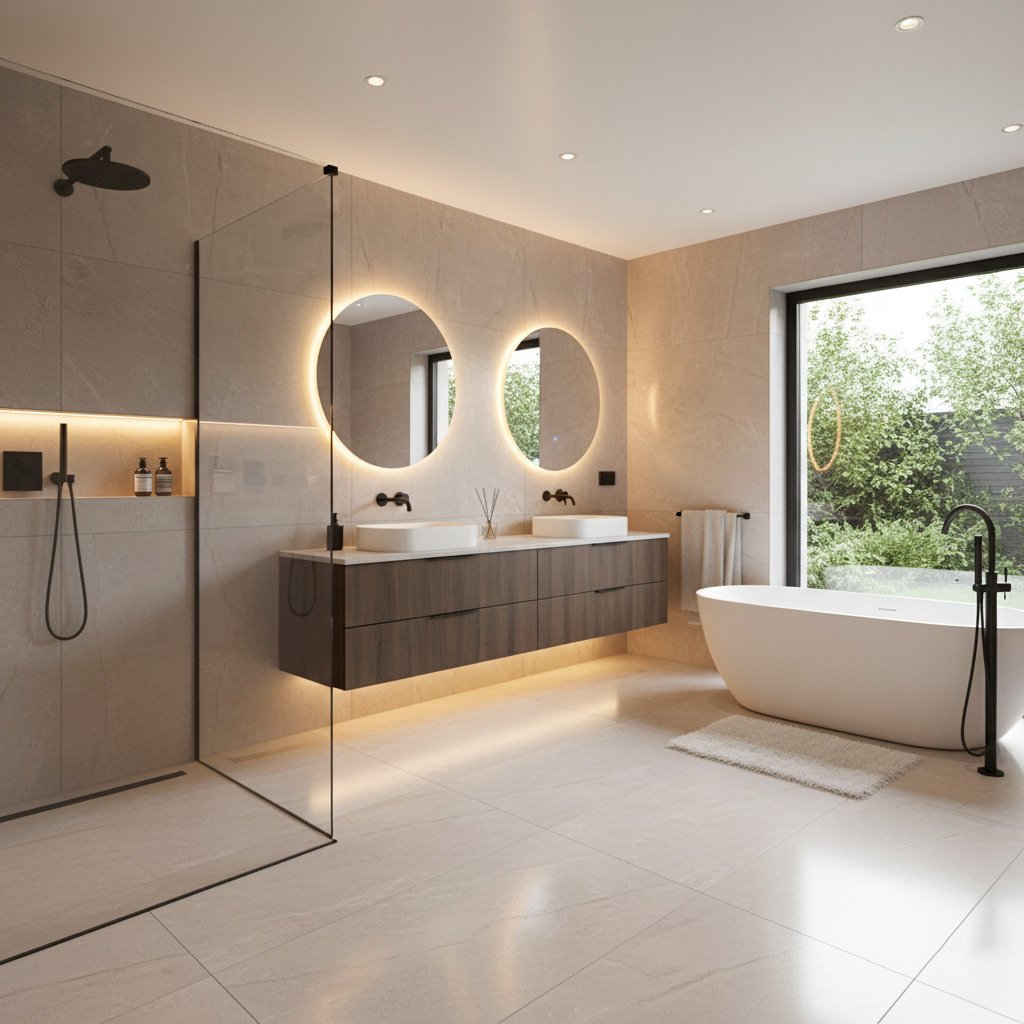
Assessing Your Space: Measurements, Layout Planning, and Local Code Essentials
Take the Tape, Not the Guess
First thing’s first—grab a steel tape and write down every dimension that matters. Width, length, and height of the existing tub, the distance to the nearest wall, and the clearance around the door are non‑negotiable numbers.
- Measure from the center of the drain to each wall.
- Record the floor-to‑ceiling height; low ceilings can dictate a low‑profile shower base.
- Note any protruding pipes or recessed niches that will affect the new layout.
Sketch the Flow Before You Cut
Once you have the numbers, draw a quick top‑down sketch. Visualizing traffic patterns helps you avoid a cramped shower that feels like a closet.
- Leave at least 30‑inches of clear space for a comfortable stride.
- Check door swing or sliding panel clearance; a swinging door can bite into the shower curb.
- Plan for the shower head placement—ideally centered over the drain for even water distribution.
Don’t Get Stopped by the Inspector
Arizona’s building code isn’t a suggestion; it’s the rulebook that can add weeks (and dollars) if you ignore it. Know the minimum slope for the drain (¼‑inch per foot) and the required waterproofing membrane thickness.
- Obtain a permit from the Buckeye Planning & Development Department before demolition.
- Verify that the new vent meets the International Residential Code (IRC) for bathroom exhaust.
- Confirm that the shower curb height complies with local accessibility guidelines if you’re targeting resale value.
Selecting the Ideal Shower Base, Drain, and Fixture for Desert Climate Durability
Base Materials That Beat the Heat
In Buckeye’s scorching summers, the shower base is the first line of defense against expansion and cracking. Acrylic pans stay cool to the touch and flex with temperature swings, while porcelain‑enamel tile offers a classic look but demands a perfect substrate.
- Acrylic: lightweight, easy to install, low‑maintenance.
- Tile over a cement backer: beautiful, but watch for movement.
- Stone (slate or travertine): luxurious, but seal every pore.
Drain Choices That Keep Water Where It Belongs
A linear drain runs the length of the shower floor, letting water glide straight to the pipe. It looks sleek and reduces the need for deep slopes, which is a win when you’re working with limited space.
- Center‑point drain: classic, simple, cheap.
- Linear drain: modern, easier to tile, better for low‑slope floors.
- Self‑cleaning grate: less maintenance, especially in dusty desert air.
Fixtures Built for the Desert
Pick a thermostatic valve that locks in temperature—no more surprise cold blasts after a hot day outside. Pair it with a low‑flow, high‑pressure showerhead; you’ll save water without sacrificing the spray you love.
- Finish matters: brushed nickel or matte black resist fingerprints and UV fading.
- Water‑saving heads: 2.0 gpm or less, still strong.
- Quick‑connect fittings: cut labor time, lower risk of leaks.
Waterproofing Mastery: The Pro‑Level “Shower Wall” System and Sealant Secrets
In Buckeye’s dry heat, a single leak can turn a sleek shower into a costly nightmare. That’s why the pros start with a continuous waterproof membrane that hugs every stud, corner, and curb. It’s not a cheap sheet you slap on; it’s a seam‑locked barrier that stays flexible when the desert expands and contracts.
Pro‑Level Shower Wall System
Here’s the play‑by‑play that most contractors keep to themselves:
- Prep the studs with a vapor‑retarder, then install a self‑adhesive sheet membrane that overlaps at least 2 inches.
- Seal every joint with a polymer‑based tape—no cheap silicone here.
- Apply a liquid waterproofing coat over the membrane; it fills micro‑gaps that tape can’t reach.
- Finish with a cove‑base that slopes toward the drain, ensuring water never pools.
Sealant Secrets the Pros Won’t Tell You
Even the best membrane fails if the sealant cracks. Follow these insider tips:
- Choose a 100% silicone sealant rated for high‑temperature swings; it won’t shrink in the summer sun.
- Apply sealant in a continuous bead, then smooth with a wet finger or a caulk‑smoothing tool—no gaps, no bubbles.
- Let the sealant cure for at least 24 hours before exposing it to water; rush it and you’ll see leaks in weeks.
- Re‑seal the corners every 3‑5 years; a tiny crack is the first sign of trouble.
Tile & Grout Strategies: Cost‑Effective Choices That Resist Cracking and Staining
Pick the right slab for desert heat
In Buckeye, the sun can bake a tile like a pizza. Porcelain stays cool, absorbs less water, and won’t warp when the AC kicks in. Ceramic is cheaper, but choose a high‑density body to dodge hairline cracks.
Grout that fights the grit
Most homeowners grab the cheapest sanded grout and pray. Skip the gamble—use epoxy‑based grout for a surface that won’t stain from desert dust. If budget forces a cement mix, seal it within 24 hours and re‑seal every six months.
- Epoxy grout: 30‑40% more upfront, lasts 10+ years.
- Polymer‑enhanced cement: cheaper, needs a seal coat.
- Pre‑mixed grout with anti‑mold additive: good for humid showers.
Installation tricks that save cash
Lay tiles in a staggered pattern; you’ll need fewer cuts and the joints look natural. Use a thin‑set mortar with a high‑range polymer for a bond that survives the desert’s expansion‑contraction cycle. Finally, tap a rubber mallet—no need for a heavy hammer that could crack the slab.
Streamlined Demolition to Installation: Timeline Hacks That Cut Weeks and Costs
Prep Work That Saves Days
Before the first tile comes off, map out every pipe, vent, and stud. One quick sketch can stop a crew from chasing hidden obstacles later.
Order the shower base, fixtures, and waterproofing membrane at least two weeks in advance. When the demolition crew finishes, the next team can walk straight to the install zone.
- Label each pipe before you cut – saves a re‑work call.
- Rent a drywall saw with a long blade – it speeds up tub removal by 30%.
- Seal off the bathroom with plastic sheeting – keeps dust out of the rest of the house.
Installation Shortcuts
Choose a pre‑sloped, acrylic shower pan. It drops the need for a custom mortar bed and eliminates a whole day of labor.
Use a rapid‑cure silicone sealant that reaches full strength in 24 hours. You can start tiling the walls while the floor is still setting.
- Snap‑together wall panels lock in place without screws.
- Pre‑mixed thin‑set in a bucket cuts mixing time.
- Clip‑on shower doors install in under an hour.
Inspection & Finish
Schedule the local building inspection for the same day you finish the waterproofing membrane. The inspector sees fresh work, and you avoid a two‑week wait.
Apply a high‑performance grout sealant right after grouting. It prevents staining from the desert dust and cuts future maintenance trips.
Real‑World Success: Buckeye Bathroom Remodel Case Study – From Tub to Luxury Shower
The Challenge
When the Martinez family moved into their 1998 ranch, the bathroom felt like a relic. A cramped tub, outdated tile, and a leaky drain made morning routines miserable.
We had three constraints:
- Space: Only 30 square feet to work with.
- Code: Buckeye’s water‑efficiency rules demanded a low‑flow shower valve.
- Budget: The owners wanted a high‑end look without blowing the bank.
The Solution
Our crew started with a laser‑accurate measurement, then drafted a layout that shifted the vanity 6 inches to free up a 4‑foot shower footprint.
Key moves that saved time and money:
- Installed a pre‑sloped acrylic shower base—no custom mortar bed needed.
- Used a dual‑drain system that meets desert‑climate code and prevents water pooling.
- Applied a “shower wall” waterproof membrane in one go, cutting the usual two‑coat process.
The Payoff
Four weeks after demolition, the Martinez family stepped into a glass‑enclosed, tile‑accented shower that feels like a boutique spa.
Results that speak for themselves:
- Water usage dropped 35% thanks to the low‑flow valve.
- Home appraisal added $12,000—shower upgrades are a top seller in Buckeye.
- Homeowners reported a “wow” factor every time they pull the curtain aside.
Final Words
Now that you’ve seen the hidden tricks behind a flawless tub‑to‑shower swap, the real work begins: turning those ideas into a plan you can actually follow. Grab a notebook, sketch your new layout, and start lining up the pieces that matter most.
What to Do Next
- Measure twice, note every corner, and double‑check local code requirements.
- Pick a shower base that tolerates Buckeye’s heat swings – cast iron or solid acrylic are top picks.
- Schedule a waterproofing demo with a contractor who uses the “Shower Wall” system.
- Order tile that resists cracking; think porcelain with a matte finish.
- Set a realistic timeline – most pros finish the whole job in 7‑10 days.
When the work is done, keep the shower looking fresh by sealing grout every 12 months and wiping down glass with a vinegar‑water mix. A little upkeep now saves you a big repair later.
Need more guidance? Dive deeper into the process on our Tub to Shower Conversions page, where we break down each step with photos, cost estimates, and a checklist you can print.
People Also Ask
What measurements do I need before converting a tub to a shower in Buckeye?
You’ll need the overall bathroom length, width, and ceiling height, plus the exact tub footprint and existing drain location. Compare these dimensions to the minimum shower base size (typically 32” × 32”) to ensure a proper fit.Which shower base material holds up best in the desert climate?
A high‑density acrylic or reinforced stone base resists heat‑induced expansion and cracking. Both options also provide excellent slip resistance and are easy to clean in dusty conditions.How does the “Shower Wall” waterproofing system differ from standard methods?
The “Shower Wall” system uses a fully sealed, cement‑backed membrane that covers walls and floor in one continuous layer, eliminating seams where water can seep. It’s paired with a polymer‑based sealant that remains flexible under extreme temperature swings.Can I install tile myself without risking cracks or stains?
Yes, if you choose a flexible, polymer‑modified thin‑set mortar and a high‑performance epoxy grout designed for desert humidity. These products accommodate slight movement and prevent water absorption that leads to staining.How long does a typical tub‑to‑shower conversion take in Buckeye?
A well‑planned project can be completed in 7‑10 days, from demolition to final tile grouting. Streamlining the order of work—like installing the waterproof membrane before the base—cuts both time and labor costs.
Buckeye Bathroom Remodel brings over a decade of craftsmanship to homeowners throughout Buckeye, Arizona. Their team specializes in custom bathroom renovations, blending functional design with durable finishes that reflect the region’s style. Committed to personalized service, they work closely with each client to bring their vision to life.
Need Bathroom Remodel?
We revitalize bathrooms in Buckeye, AZ and nearby ZIPs (85326, 85396, 85355, 85374, 85381), delivering modern, functional spaces on a fast timeline. Our streamlined process gets you enjoying your new bathroom in weeks, not months.
Get Bathroom Quote