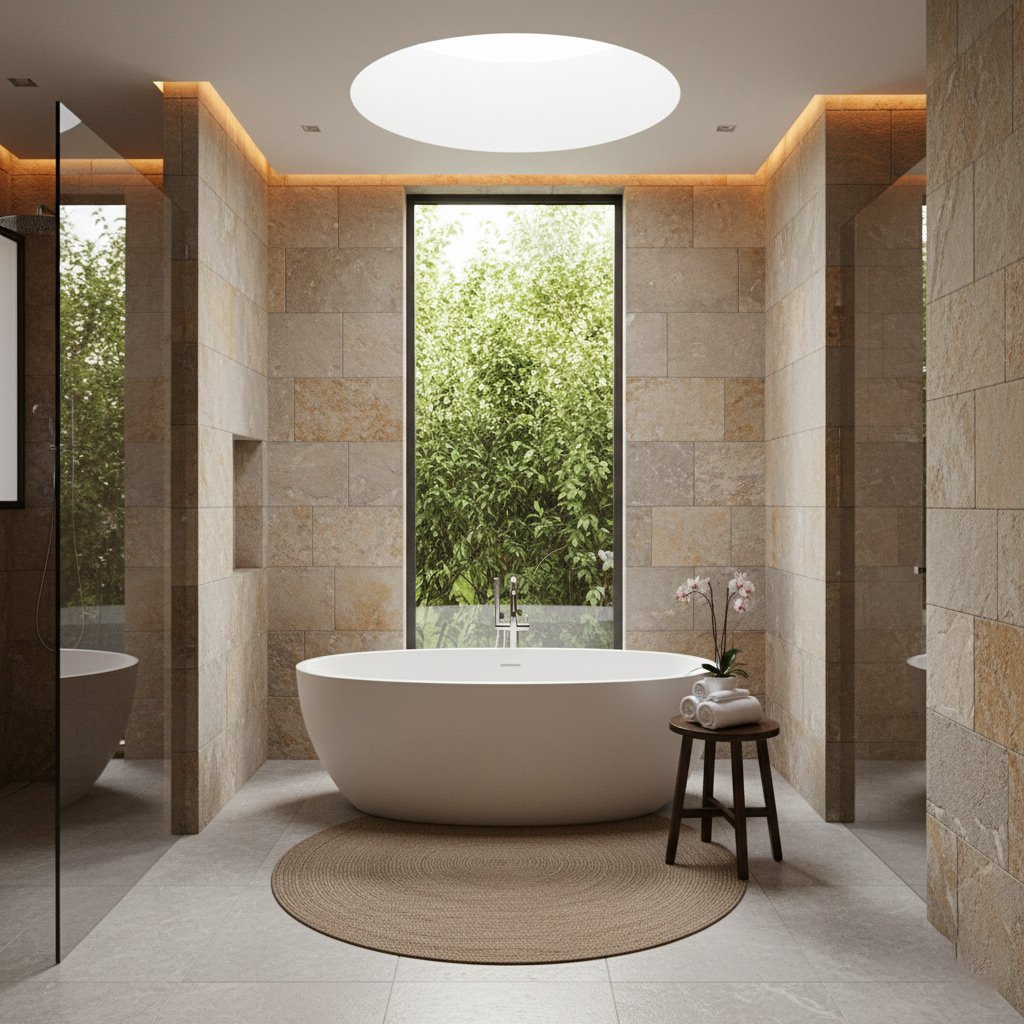
Picture this: you step out of a sleek shower, slip into a deep tub, and the whole bathroom feels like a private retreat you never knew you needed.
In Buckeye, where the desert heat makes a cool soak priceless, homeowners are swapping out cramped showers for tub‑and‑shower combos that add comfort without cramping style.
The switch isn’t just about luxury; it adds extra storage, safer footing for kids and seniors, and a resale boost that catches every buyer’s eye.
Want to know why your neighbors are making the change and how it could work for you? Keep reading and discover the real reasons behind the buzz.
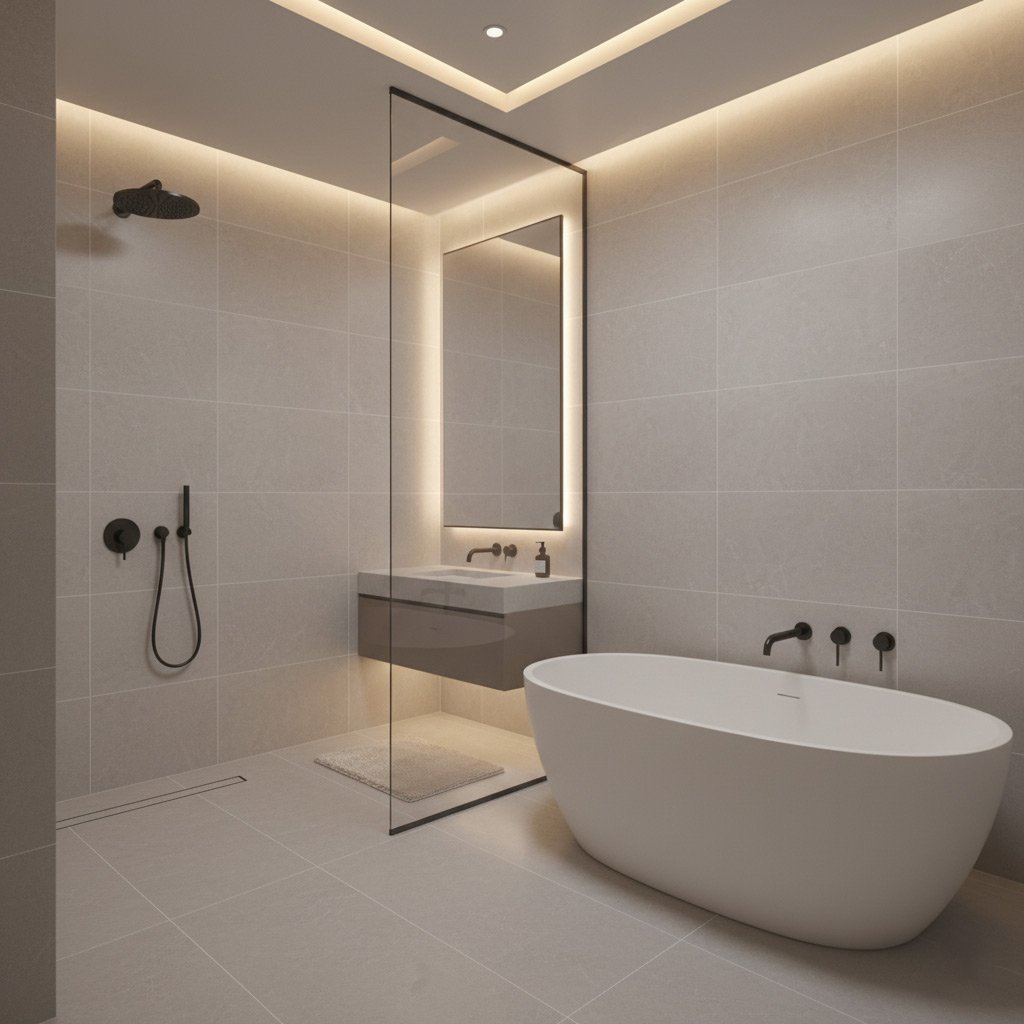
The Top Reasons Buckeye Homeowners Choose Shower‑to‑Tub Conversions
Living in the desert means you crave a cool dip after a scorching day. A tub‑and‑shower combo gives you that instant relief without sacrificing the sleek look of a modern shower. Homeowners quickly discover it’s not just a luxury—it’s a practical upgrade.
Every Reason That Matters
- Family‑friendly safety: A low‑step tub reduces slips for kids and seniors.
- Extra storage: Built‑in shelves and niches keep toiletries organized.
- Resale power: Buyers love the flexibility of a dual‑use space.
- Energy savings: Soaking in a tub uses less hot water than a long shower.
When you add a tub, you also gain a visual anchor that makes the bathroom feel larger. The extra square footage isn’t just for looks; it creates a mini‑spa vibe that raises the home’s overall appeal. That’s why the buzz is spreading across Buckeye neighborhoods.
Evaluating Your Current Bathroom Layout and Identifying Conversion Opportunities
Measure Twice, Cut Once
Start by pulling out a tape measure and jotting down the floor‑to‑ceiling height, the width of the existing shower stall, and the distance to the nearest wall or vanity. These numbers are your blueprint for any tub‑and‑shower combo you consider.
Don’t forget the hidden plumbing lines—trace where the water supply and drain run. A quick visual check can save you weeks of re‑routing later.
Spot the Deal‑Breakers
Next, walk the space as if you’re a daily user. Is the door swinging into the shower? Does the vanity block the natural flow? Identify any obstacles that would make a tub feel cramped.
Look for opportunities:
- Unused corner that could host a compact alcove tub.
- Excess wall space perfect for a sliding glass enclosure.
- Existing tile that can be reclaimed, cutting material costs.
Plan for Comfort and Function
Think about who will use the bathroom. Kids need a low step‑in, seniors appreciate a built‑in seat, and you might want a deeper soak for those desert evenings. Match the tub size to the user’s needs without sacrificing the room’s breathing space.
Finally, sketch a quick floor plan on graph paper or a free app. Seeing the layout on paper makes it obvious where a tub‑and‑shower combo will fit like a glove.
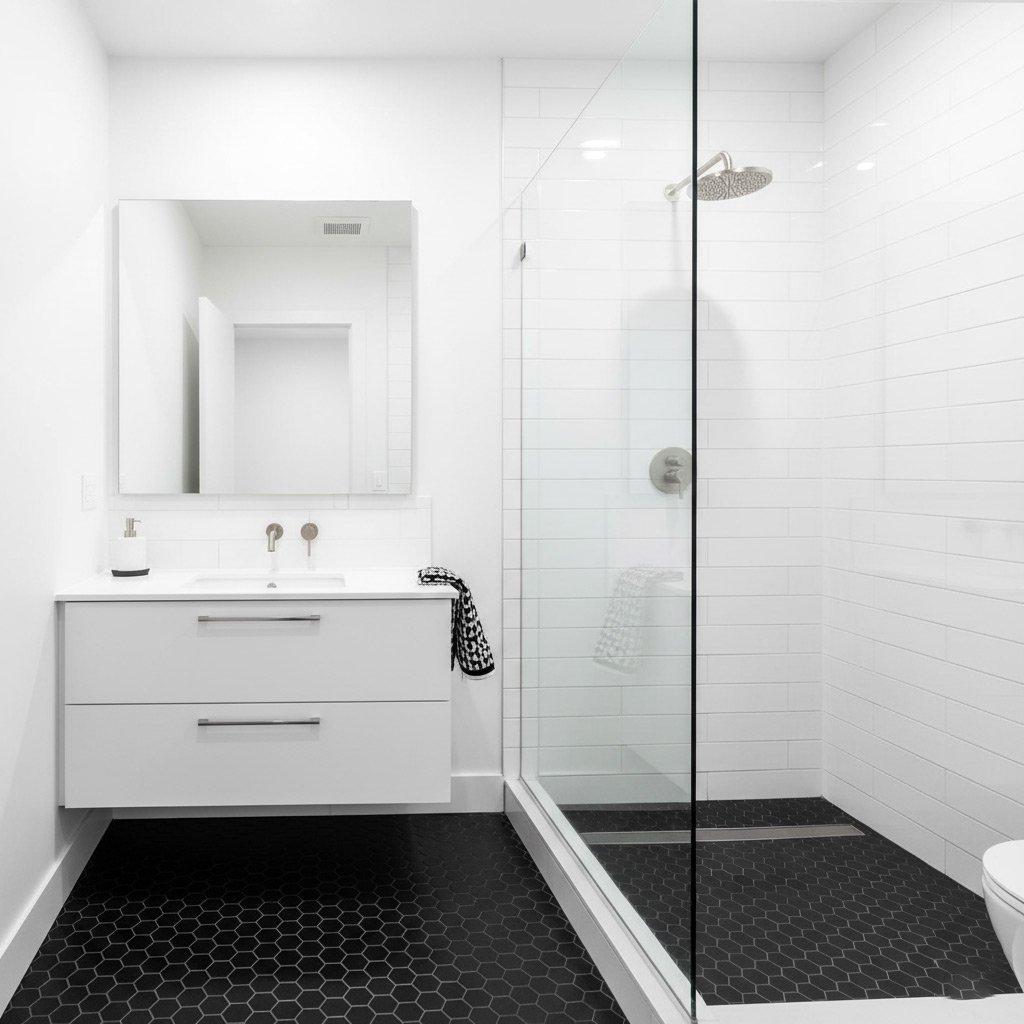
Selecting the Ideal Tub‑and‑Shower Combo for Desert Climate Comfort and Style
Material Matters
In a desert home, the tub’s surface should stay cool under the sun. Porcelain enamel and quartz‑coated acrylic hold temperature better than plain fiberglass.
Choose a finish that resists the occasional dust storm and won’t crack under heat swings.
- Porcelain enamel – classic look, heat‑resistant.
- Quartz‑coated acrylic – lightweight, low maintenance.
- Stone‑look tile – adds luxury, stays cool.
Design Details
Space is premium, so pick a combo that fits without crowding the room. A slim‑profile tub with a built‑in shower wall saves inches.
Look for models with a low‑flow showerhead and a built‑in seat – perfect for kids and seniors.
- Drop‑in tubs – easy to install, versatile.
- Alcove tubs – fit snug corners, maximize floor space.
- Walk‑in tubs – safe entry, ideal for aging in place.
Desert‑Ready Extras
Don’t forget the little things that make a big difference when the temperature soars.
Heat‑reflective glass panels and a recessed towel rack keep the area functional and stylish.
- Thermal glass – reduces heat gain.
- Built‑in shelving – stores shampoo, keeps clutter out.
- LED accent lighting – adds ambiance without extra heat.
Budgeting, Financing, and Calculating ROI for Your Conversion Project
First thing’s first: know how much you’re willing to spend before you start measuring tiles. A clear budget keeps the project from turning into a money‑sucking black hole, and it gives you leverage when you talk to contractors.
Set a realistic budget
- Materials: tub, showerhead, tile, waterproofing – typically 40‑55% of total cost.
- Labor: plumbing, electrical, carpentry – expect 30‑45%.
- Permits & inspections: a small line item, but mandatory in Buckeye.
- Contingency: 10‑15% for surprises (hidden water damage, code upgrades).
Next, line up financing that fits your cash flow. Many homeowners tap a home‑equity line, a low‑interest personal loan, or a 0% credit‑card promo if the project stays under $5,000. Talk to your bank about a “renovation loan” – it often comes with flexible repayment terms and can be bundled into your mortgage.
Calculate the ROI
Think of ROI as the extra resale price you earn plus any ongoing savings. A well‑executed tub‑and‑shower combo can lift your home’s value by 3‑5% in Buckeye’s market, which translates to $5,000‑$10,000 on a $150k house. Add in lower water‑use fixtures and you’ll shave a few hundred dollars off your utility bill each year.
Permits, Building Codes, and Hiring the Right Contractor in Buckeye
Know the Local Requirements
Before you swing a hammer, Buckeye’s Planning & Development Department wants to see a permit for any plumbing or structural changes. Skipping this step can halt your project and cost you a fine.
Typical approvals you’ll need:
- Plumbing permit – for new drain lines or water supply adjustments.
- Electrical permit – if you add lighting or a heated tub.
- Structural permit – when you cut into a wall or modify the floor joists.
Pick a Contractor Who Plays by the Rules
Look for a licensed Arizona contractor with a clean record on the State Licensing Board. Insurance matters – a valid liability policy protects you if something goes sideways.
Ask for these proof points:
- Copy of the contractor’s license and insurance certificate.
- Three recent references from Buckeye homeowners.
- Written estimate that breaks down labor, materials, and permits.
Seal the Deal with a Solid Contract
A good contract spells out the scope, timeline, and payment schedule. Never pay more than 30% up front; keep the rest tied to milestones.
Make sure the agreement includes a clause for handling unexpected code changes. That way, you won’t be left scrambling if the inspector asks for a tweak.
Case Study: A Successful Shower‑to‑Tub Conversion in a Buckeye Family Home
When the Martinez family moved into their 1998 ranch‑style home, the cramped shower felt like a daily obstacle. They wanted a space that could handle a toddler’s splash, a senior’s steady footing, and a weekend soak after a long day on the field. A local remodeler turned the 5‑ft × 3‑ft shower into a 60‑in × 32‑in tub‑and‑shower combo, and the change was immediate.
The Process in 3 Steps
- Assessment & Design: The contractor measured the existing plumbing, confirmed clearances, and drafted a layout that kept the original wall placement.
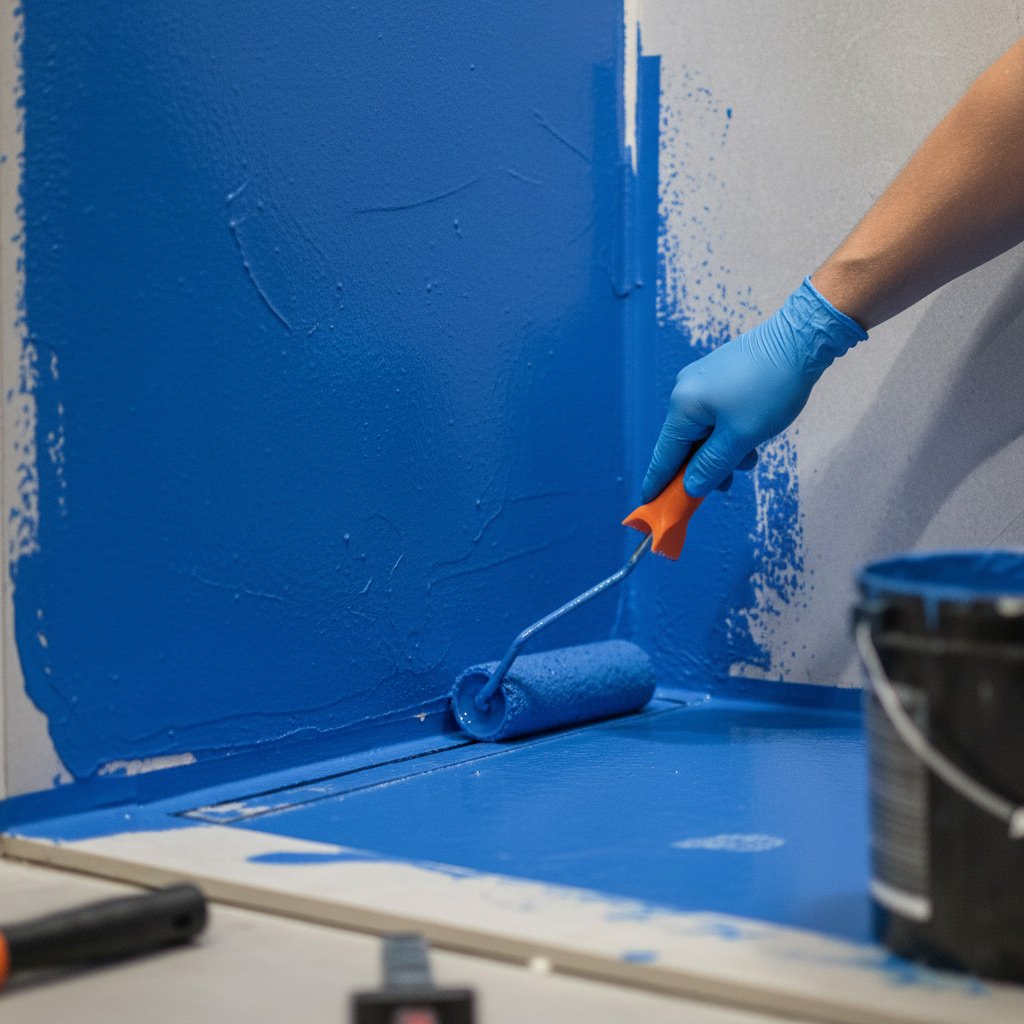
- Demolition & Prep: Old tile and shower pan were removed, the floor was leveled, and a waterproof membrane was installed to protect against desert humidity.
- Installation & Finish: A slip‑resistant acrylic tub was set, a low‑flow showerhead added, and new tile with a subtle desert‑sand hue completed the look.
Six months later, the Martinez home sold for $12,500 more than comparable listings, and the family reported a 30% increase in daily comfort. “We never realized how much a tub could change our routine,” says Laura Martinez, “and the resale boost was the cherry on top.”
Final Thoughts
When you look at the numbers, the math is simple: a tub‑and‑shower combo adds comfort, safety, and resale value without turning your bathroom into a showroom. It’s a practical upgrade that pays for itself when you factor in lower utility bills from a more efficient water system and the premium buyers expect in Buckeye.
Key things to keep on your radar
- Quality fixtures – choose corrosion‑resistant hardware that thrives in desert humidity.
- Proper drainage – a well‑designed slope prevents water pooling and protects your floor.
- Local code compliance – a licensed contractor will handle permits so you don’t get hit with surprise fines.
Ready to see how a tub‑and‑shower can transform your space? Dive into our Shower to tub conversions page for design ideas, cost breakdowns, and a roster of trusted Buckeye pros who can turn your vision into reality.
People Also Ask
What are the main benefits of converting a shower to a tub in Buckeye homes?
Converting a shower to a tub adds versatile bathing options, increases resale value, and provides a relaxing soak that’s perfect for the desert climate. It also maximizes limited bathroom space without a major remodel.How does a tub‑and‑shower combo improve comfort in Arizona’s hot weather?
A tub‑and‑shower combo lets you enjoy a cool shower after a long day and unwind with a warm soak when you need to relax. The ability to control water temperature helps regulate indoor humidity and keeps the bathroom comfortable year‑round.Is a shower‑to‑tub conversion a cost‑effective upgrade?
Yes, it typically costs less than a full bathroom remodel because it uses existing plumbing and fixtures. Homeowners often see a strong return on investment, especially when the upgrade enhances functionality and appeal.Do I need a permit for a shower‑to‑tub conversion in Buckeye?
Most conversions require a building permit to ensure compliance with local codes, especially if plumbing or structural changes are involved. Working with a licensed contractor simplifies the permitting process.How long does a typical shower‑to‑tub conversion take?
A standard conversion can be completed in 1‑2 weeks, depending on the scope of work and material availability. Efficient scheduling and a qualified crew keep the project on track and minimize disruption.
Buckeye Bathroom Remodel brings over a decade of craftsmanship to homeowners throughout Buckeye, Arizona. Their team specializes in custom bathroom renovations, blending functional design with durable finishes that reflect the region’s style. Committed to personalized service, they work closely with each client to turn vision into reality.
Need Bathroom Remodel?
We revitalize bathrooms in Buckeye, AZ and nearby ZIPs (85326, 85396, 85355, 85374, 85381), delivering modern, functional spaces on a fast timeline. Our streamlined process gets you enjoying your new bathroom in weeks, not months.
Get Bathroom Quote